Sefa Utaki: The Supreme Sacred Site of the Ryukyu Kingdom
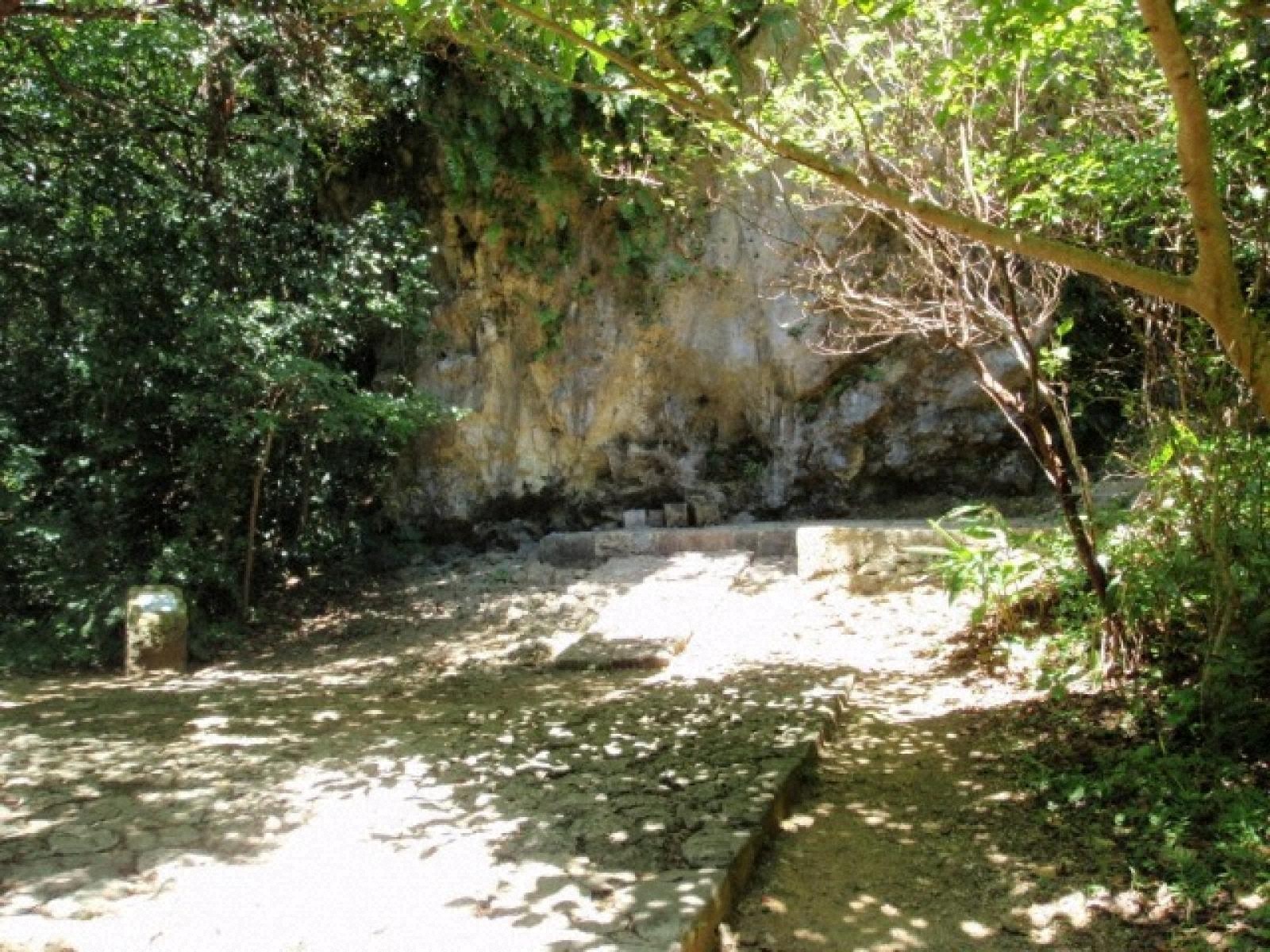
Sefa Utaki (斎場御嶽), in the forests of Nanjo City in southern Okinawa, is the most sacred site of the former Ryukyu Kingdom. It is said that even the king had to dress as a woman to enter. In 2000, it was inscribed as a UNESCO World Heritage Site as part of the “Gusuku Sites and Related Properties of the Kingdom of Ryukyu.”
The word “utaki” refers to sacred sites in Ryukyuan belief, and Sefa Utaki holds the highest position among them. This was where the Kikoe-okimi, the highest-ranking priestess of the Ryukyu Kingdom, underwent her inauguration ceremony.
Several things have changed that many older guides don’t mention:
- Tickets are not sold at the entrance. Buy them at the ticket office attached to the Nanjo City Regional Products Center (the designated parking lot), then walk about 500 m (7–10 minutes) to the entrance.
- Admission rises to ¥600 for adults from October 1, 2026 (¥300 until September 30, 2026).
- Construction limits where you can go in 2026 (planned): until November 1, the path to Yuinchi is closed; from November 2, 2026 to January 5, 2027, you can go only as far as Ujō-guchi and the Kudaka Island worship spot (Kudaka-jima Yōhaisho), and entry is free during that period (Sefa Utaki official website). If you visit then, you won’t see prayer spots such as Ufugui, Yuinchi, or Sangui, so your visit will be short. You can receive a dated pilgrimage certificate handed out during the restrictions, watch the roughly 35-minute film about Sefa Utaki at Ganjū Station Nanjo next to the ticket office, and cross to Kudaka Island in the afternoon.
- The site is closed to everyone for six days a year (the 1st–3rd days of the 5th and 10th months of the lunar calendar). In 2026 the first closure was June 15–17; by our own calculation from the lunar calendar, the second falls around November 9–11, overlapping the free-entry construction period (check the official website).
- Sangui, the famous triangle rock, is fenced off for now. Visitors cannot go beyond the fence at its entrance.
- Allow 50–60 minutes, including the walk from the ticket office. It’s about 50 minutes by car from Naha Airport.
As you step into the forest, you’re surrounded by dappled sunlight filtering through the canopy and moss-covered stone paths. To this day, local people continue to protect and pray at this site, making it not merely a tourist attraction but a living place of prayer.
The Allure of This Sacred Site
A Living Testament to Ryukyu Kingdom History
The history of Sefa Utaki is believed to stretch back beyond the 14th century, predating the unification of the Ryukyu Kingdom. After the kingdom’s consolidation in the 15th century, it served as the central site for national rituals and ceremonies.
In Ryukyuan creation mythology, Amamikiyo descended from the heavens and is said to have created the islands of Ryukyu. Sefa Utaki is associated with this creation deity.
Particularly significant is Sefa Utaki’s role within the Ryukyu Kingdom’s political-religious system. Ryukyu had a unique belief in “onari-gami” (sister deities), in which female priestesses protected the male king. The inauguration of the Kikoe-okimi, the highest-ranking of these priestesses, known as “Oaraori,” was the largest of the national rites and was held here (Sefa Utaki official website). For these rites, sacred white sand is said to have been brought specially from Kudaka Island, “the island of the gods,” and spread across the site.
Six Sacred Areas (Ibi)
Sefa Utaki comprises six major sacred areas called “ibi.” Visitors follow a set path through them.
The path begins at “Ujō-guchi,” the gate to the sacred realm. Just before it are wooden steps, and beyond it a steep climb leads to the first prayer spot, “Ufugui.” The stone paving is slippery, and there are handrails only in places.
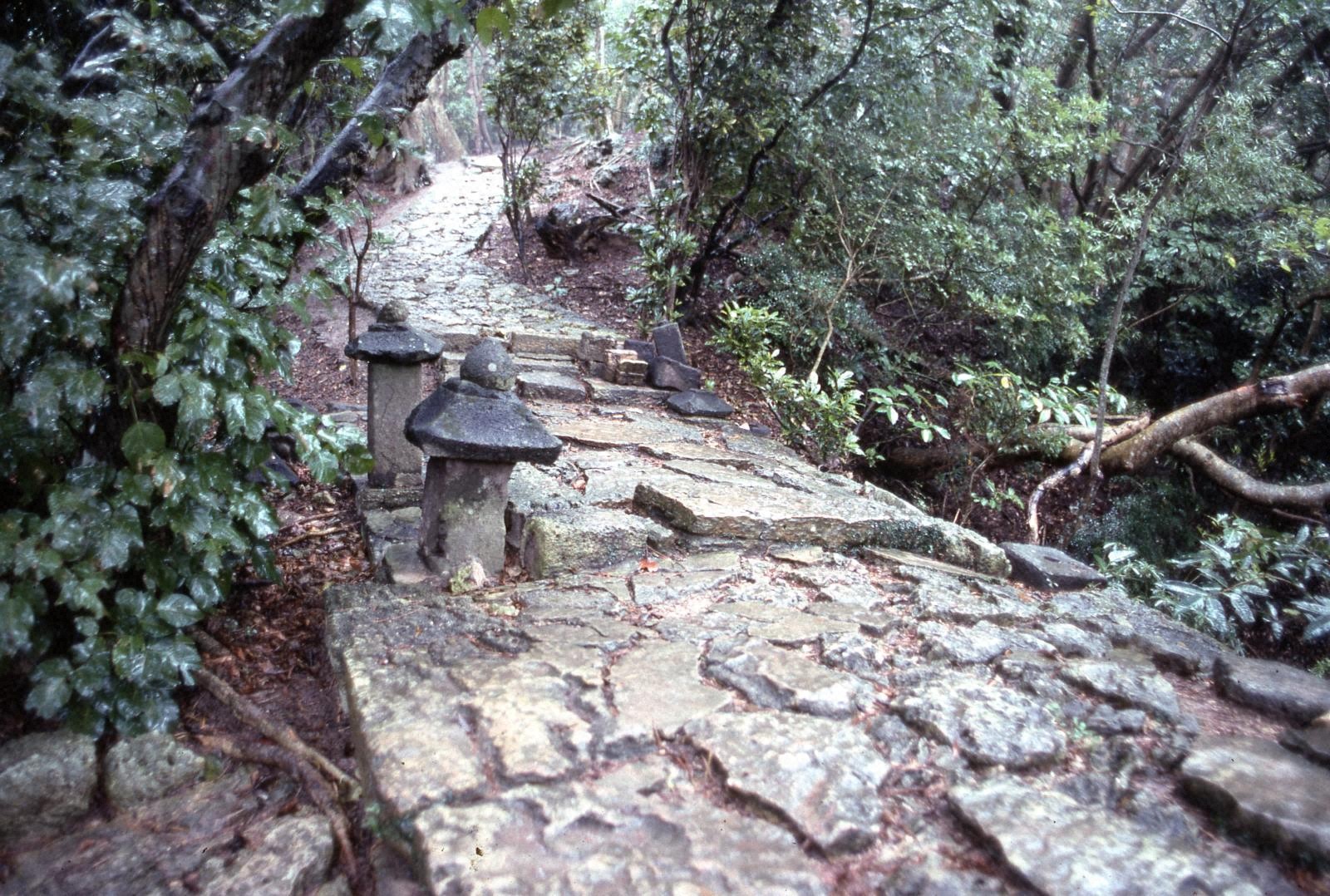
“Yuinchi” features a small clearing before a rock formation (closed in 2026 for construction). The contrast between the white Ryukyuan limestone and the deep green vegetation covering it is striking. One visitor wrote about what its name means:
“I heard that Yuinchi means ‘kitchen’ in the language of the royal government, but that here it refers not to a place for cooking but to ‘a place brimming with abundance.'”
「寄満(ユインチ)とは、王府用語で「台所」を意味するそうですが、ここでは調理場ではなく「豊穣の満ち満ちた場所」を表すそうです。」— Translated by the editors from a visitor post on Jalan (visited February 2022, original post)
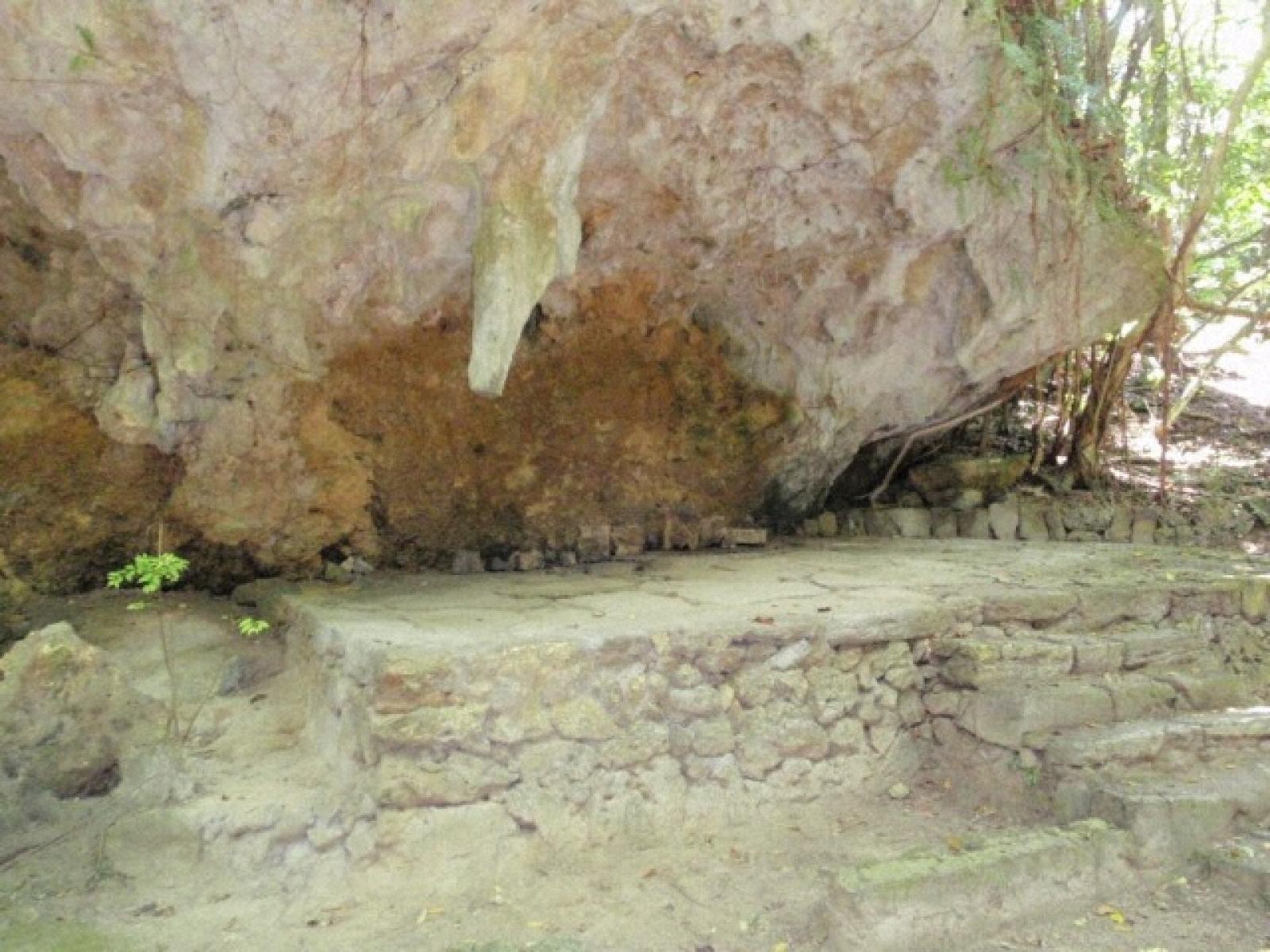
Most famous is “Sangui”—a triangular space naturally formed by massive Ryukyuan limestone.
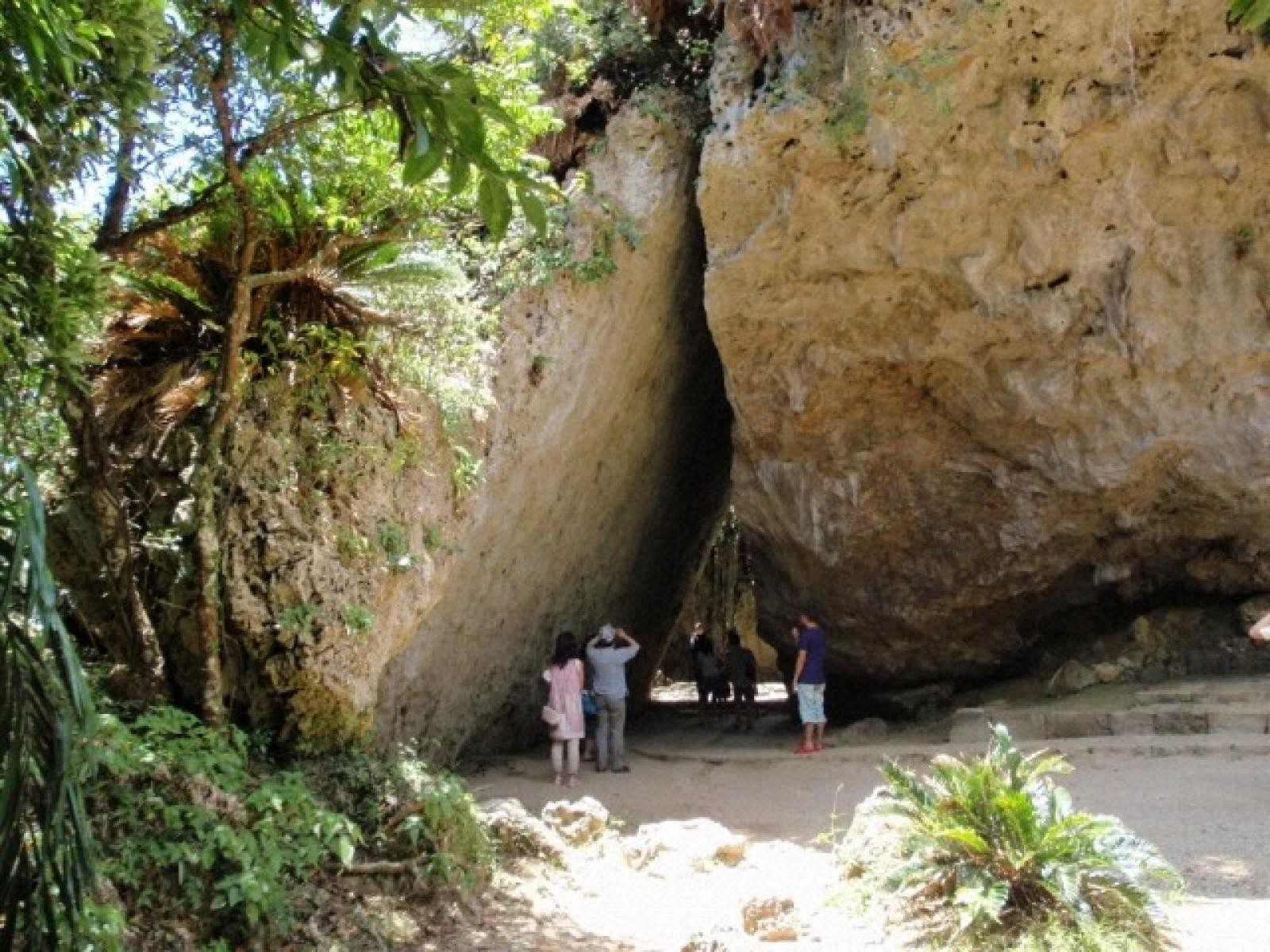
Note: access to Sangui is restricted. As of September 2026, a fence stands at the entrance to Sangui, and general visitors cannot go beyond it to the prayer spots inside (Sefa Utaki official website). To pray toward Kudaka Island across the sea, go to the Kudaka Island worship spot (Kudaka-jima Yōhaisho); the official notice says visitors can go as far as Ujō-guchi and this spot even during construction.
The “Shikiyodayuru and Amadayuru Pots” are also among the prayer spots.
“Chō-no-hana” is also one of the six ibi.
A Sanctuary Where Nature Itself Forms the Sacred Space
What makes Sefa Utaki unique is that the sacred space is formed not by buildings but by nature itself. Massive Ryukyuan limestone boulders, covered with banyan trees and ferns, carpeted with moss underfoot, and adorned with subtropical plants along the pathways.
Particularly striking is the green moss covering the rock surfaces and the ferns peeking through. Okinawa’s humid climate creates this distinctive landscape, where stone and greenery have merged as if nature itself has been protecting the sanctuary through the ages.
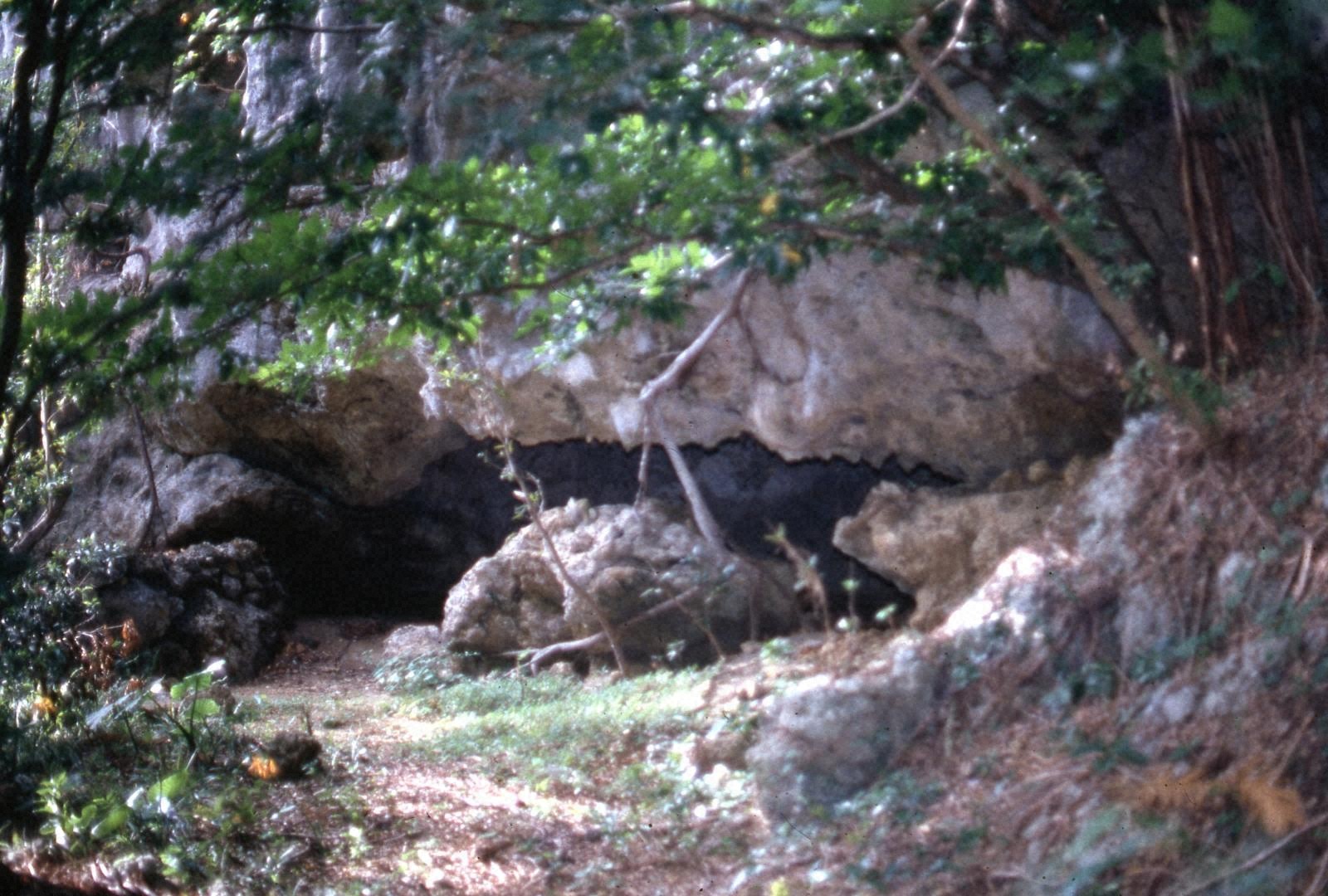
Along the pathways, old banyan trees extend their roots to embrace the rocks. Their canopy shields visitors from Okinawa’s intense sunlight, keeping the forest pleasantly cool.
Depending on the season, you may spot small wildflowers blooming beside the path or colorful wild birds flitting between the trees. Right after opening, when few people are around, you can enjoy a quiet time with only birdsong.
What Has Been Prayed For Here
Sefa Utaki is where national rites praying for the peace of the Ryukyu Kingdom and bountiful harvests were held (Sefa Utaki official website). It is also a stop on the “Agari-umai,” a pilgrimage route to sacred sites once followed by the king and the high priestess, and people still come here to pray today.
What has been prayed for here, above all, is the well-being of the nation and of people’s daily lives.
“Purification” and “Renewal” as Visitors Describe Them
Visitors to Sefa Utaki often speak of a sense of “purification” and “renewal.” Standing among the boulders in the silence of the forest, some feel their worries being washed away, and some say they realized how small their troubles were in the long flow of nature and history.
Visitor Experiences
Many visitors say they felt the atmosphere change as they entered. A visitor in January 2025 wrote:
“Was it just my imagination that the air seemed to change once inside? It was a place brimming with a sense of being outside everyday life.”
「中に入ると空気が変わったように思えたのは気のせいでしょうか。非日常感の溢れる場所でした。」— Translated by the editors from a visitor post on Jalan (visited January 2025, original post)
Best Times to Visit
The site opens at 9:00 AM all year round (from March to October, tickets go on sale at 8:45 AM). You cannot enter before then.
Spring (March-May) ★★★★★
Spring is the most comfortable season for visiting Sefa Utaki. Temperatures range from 20-25°C (68-77°F) with relatively low humidity, making the walk through the forest pleasantly cool.
From April to May, fresh greenery adorns the forest with vibrant shades. The quietest time is right after opening at 9:00 AM.
Crowds are relatively sparse, and except for Golden Week, you can visit in peace. The holiday period brings more tourists, so weekdays right after opening are best.
Summer (June-August) ★★★☆☆
June marks the rainy season. With frequent rain, the paths become slippery, so caution is needed. However, the forest after rain sparkles with vivid green moss.
July through August sees temperatures exceed 30°C (86°F) with very high humidity. Avoid the hottest hours: go right after opening at 9:00 AM or after 4:00 PM (from March to October, tickets are sold until 5:15 PM and last entry is 5:30 PM). The road from the ticket office to the entrance is sunny, and you’ll sweat on the paths. Food and drink can’t be brought into the site, so drink water before you go in.
Summer is when the sea is at its most vivid. If you continue on to Kudaka Island, you can enjoy the cobalt-blue water from the boat.
The 10 AM – 3 PM window is especially busy in the tourist season.
Autumn (September-November) ★★★★★
Autumn rivals spring as the ideal season for visiting Sefa Utaki. September retains summer heat, but October through November sees temperatures drop to around 25°C (77°F), becoming very pleasant.
During typhoon season (September to early October), entry may be restricted in severe weather, so check before you go. The three-day closure in the 10th lunar month usually falls between late October and November. In 2026, construction limits access to the area up to Ujō-guchi from November 2 (planned); even before that, the path to Yuinchi is closed and Sangui can only be seen from in front of the fence.
November brings autumn breezes even to Okinawa, and tourist numbers decrease somewhat, allowing for more peaceful visits.
The most comfortable time in this season is from opening at 9:00 AM through the morning.
Winter (December-February) ★★★★☆
While Okinawa’s winter is mild compared to mainland Japan, temperatures drop to 15-20°C (59-68°F). The forest feels even cooler, so bring a light jacket.
This is the season with the fewest tourists, making a quiet visit the greatest advantage. From November to February the site closes earlier, at 5:30 PM (tickets until 4:45 PM, last entry 5:00 PM), so watch the time if you go in the afternoon.
New Year sees local people also visiting to pray, creating some crowds, but it remains far quieter than mainland Japan’s New Year shrine visits.
Best Times of Day
Right after opening (9:00-10:00 AM): The quietest time. Relatively cool—aim for before tour groups arrive.
Midday (10:00 AM-3:00 PM): Peak crowding. Particularly hot in summer—best avoided.
Afternoon (3:00 PM-closing): Soft afternoon light illuminates the forest differently from morning. Last entry is 5:30 PM from March to October (tickets until 5:15 PM) and 5:00 PM from November to February (tickets until 4:45 PM). Allow 7–10 minutes to walk from the ticket office to the entrance.
Worship and Visiting Guide
Essential Knowledge Before Your Visit
Sefa Utaki is first and foremost a place where local people still pray, before being a tourist attraction. The most important thing when visiting is to approach with respect and humility.
Read the guidelines given at entry, and never enter areas marked “Off Limits.”
People of any religion, nationality, or gender may enter (Sefa Utaki official website).
Worship Route and Flow
Buy a ticket (5 minutes): Tickets are not sold at the entrance. Buy them at the ticket office attached to the Nanjo City Regional Products Center, the designated parking lot along the main road.
From the ticket office to the entrance (7-10 minutes): It’s about 500 m from the ticket office to the entrance of Sefa Utaki, “Midori no Yakata Sefa.” Cross the road and walk up a gentle slope. Because the ticket office and the entrance are apart, first-time visitors sometimes get lost:
“I bought a ticket meaning to go straight to the entrance, but by mistake I headed toward the seaside—’no, no, wrong way’—turned back, and finally reached the entrance.”
「チケットを求めすぐに入口へ行くつもりが、間違えて海辺へ行き違う違うと、引き返しやっとこさ入口に到着。」— Translated by the editors from a visitor post on Jalan (visited May 2024, original post)
Walking the sacred path (10-15 minutes): There are wooden steps before Ujō-guchi, and a steep climb from there to the first prayer spot, Ufugui. The stone paving is slippery and handrails exist only in places, so walk slowly and watch your step.
Prayer at each ibi (15-20 minutes):
- At Ufugui and Yuinchi, quietly bring your hands together before the rocks
- Sangui is closed beyond the fence at its entrance; pray quietly from in front of the fence
- At each prayer spot, be courteous and share space with other visitors
- In 2026, construction changes which prayer spots you can reach (see the notes at the top)
Return path (10 minutes): Return the way you came. The path is not one-way, so yield to those passing.
Total time: about 50-60 minutes, including the walk from the ticket office (Sefa Utaki official website). Add about 20 minutes if you join a guided tour.
Worship Etiquette and Manners
Ryukyuan utaki have unique customs different from shrines or temples.
Basic Posture:
- When praying, quietly bring hands together at chest level
- Do NOT clap hands (unlike at Shinto shrines)
- Silently offer your wishes in your heart
- After prayer, bow once and proceed
Photography:
- The official website asks visitors to refrain from taking photos inside the site as much as possible
- In particular, avoid photographing people with a prayer spot behind them—it means turning your back on the sacred area
- Never photograph people who are praying
Other Etiquette:
- No loud talking (especially quiet at prayer spots)
- Don’t climb rocks, and don’t take plants or stones
- Take all trash with you
- No food or drink may be brought into the site
- Don’t walk while looking at your phone (the official website warns that it is dangerous)
- No pets (guide dogs, hearing dogs, and service dogs are allowed; pets cannot be left at reception)
What to Wear and Bring
Recommended Attire:
- Comfortable sneakers (the official website recommends them because of the slippery stone paving and steep slopes)
- Modest clothing: the official website asks visitors to avoid revealing clothes such as tops that show the shoulders, back, or stomach, mini skirts, short shorts, and camisoles (long sleeves also help with sun and insects)
- A hat or parasol (the road from the ticket office to the entrance is sunny)
About Footwear:
- You can enter in beach sandals, but sneakers are safer on the slippery paving
- Avoid high heels and thick-soled shoes (free sandals are lent at the entrance to visitors wearing high heels)
Useful Items to Bring:
- Small towel (for sweat)
- Insect repellent (summer)
- Rain gear (folding umbrella or rain jacket)
- Plastic bag (for wet items)
- You can’t bring drinks inside, so hydrate before entering
Essential Information
Access
Address: 539 Chinen Kudeken, Nanjo City, Okinawa 901-1511
By Car:
- About 30 km / 50 minutes from Naha Airport (via the Tomigusuku East Road and Haebaru Minami IC)
- GPS/Navigation: search for “Nanjo City Regional Products Center” (南城市地域物産館)—the designated parking lot, with the ticket office
- After buying tickets, walk 7-10 minutes to the entrance
By Bus:
- From Naha Bus Terminal (platform 7), take Toyo Bus Route 338 “Sefa Utaki Line” for about 60 minutes (no transfer)
- Get off at “Sefa Utaki Iriguchi,” buy tickets at the ticket office in the parking lot in front, then walk 7-10 minutes to the entrance
- Buses run infrequently—check schedules in advance
By Taxi:
- From Naha Airport: about 50 minutes, around ¥5,000 (estimate from the Sefa Utaki official website)
Basic Information
Hours:
- March-October: 9:00 AM – 6:00 PM (tickets 8:45 AM – 5:15 PM, last entry 5:30 PM)
- November-February: 9:00 AM – 5:30 PM (tickets until 4:45 PM, last entry 5:00 PM)
- Entry may be restricted without notice due to weather or conditions inside the site
Closed: Six days every year (the 1st-3rd days of the 5th lunar month and of the 10th lunar month). No one may enter during this time. In 2026 the 5th-month closure was June 15–17. The dates change every year because they follow the lunar calendar—check the official website.
2026 construction restrictions (planned): until November 1, the path to Yuinchi is closed. From November 2, 2026 to January 5, 2027, you can only go as far as Ujō-guchi and the Kudaka Island worship spot, and entry is free (Sefa Utaki official notice).
Admission (buy at the ticket office attached to the Nanjo City Regional Products Center):
- From October 1, 2026: adults (high school and older) ¥600, elementary/junior high students ¥300
- Until September 30, 2026: adults ¥300, elementary/junior high students ¥150
- November 2, 2026 – January 5, 2027 (planned): free because of construction
- Group discount for 20 or more. Free for holders of a disability certificate (the holder only)
- Nanjo City says the fee change does not apply to visits for the purpose of prayer, such as the Agari-umai pilgrimage (ask the Nanjo City Tourism and Commerce Division for details)
Time Required: 50-60 minutes including the walk from the ticket office (about 20 minutes more with a guided tour)
Parking: The Nanjo City Regional Products Center lot (the designated parking lot, with the ticket office)
Toilets and Lockers: There are no toilets inside the site. Use the ones at the Regional Products Center or the public toilets just before the entrance. Coin lockers (¥500 per use, 24 hours) are at “Ganjū Station Nanjo,” next to the ticket office.
Contact:
- Nanjo City Tourism Association (Midori no Yakata Sefa; group and guide reservations): 098-949-1899
- Nanjo City Tourism and Commerce Division (admission fees): 098-917-5387
Official Website: World Cultural Heritage Sefa Utaki (sefa.okinawa)
Goshuin (Temple/Shrine Seal): Not available (Ryukyuan utaki don’t have this tradition)
Accessibility: The site has slippery stone paving, steep slopes, and stairs, so wheelchairs and strollers cannot enter (official website). Bring a baby carrier for small children. The “Sefa Utaki Exhibition and Screening Room” inside Ganjū Station Nanjo is free for everyone.
Nearby Attractions
Sightseeing Spots
Kudaka Island (about 30 minutes by car + boat):
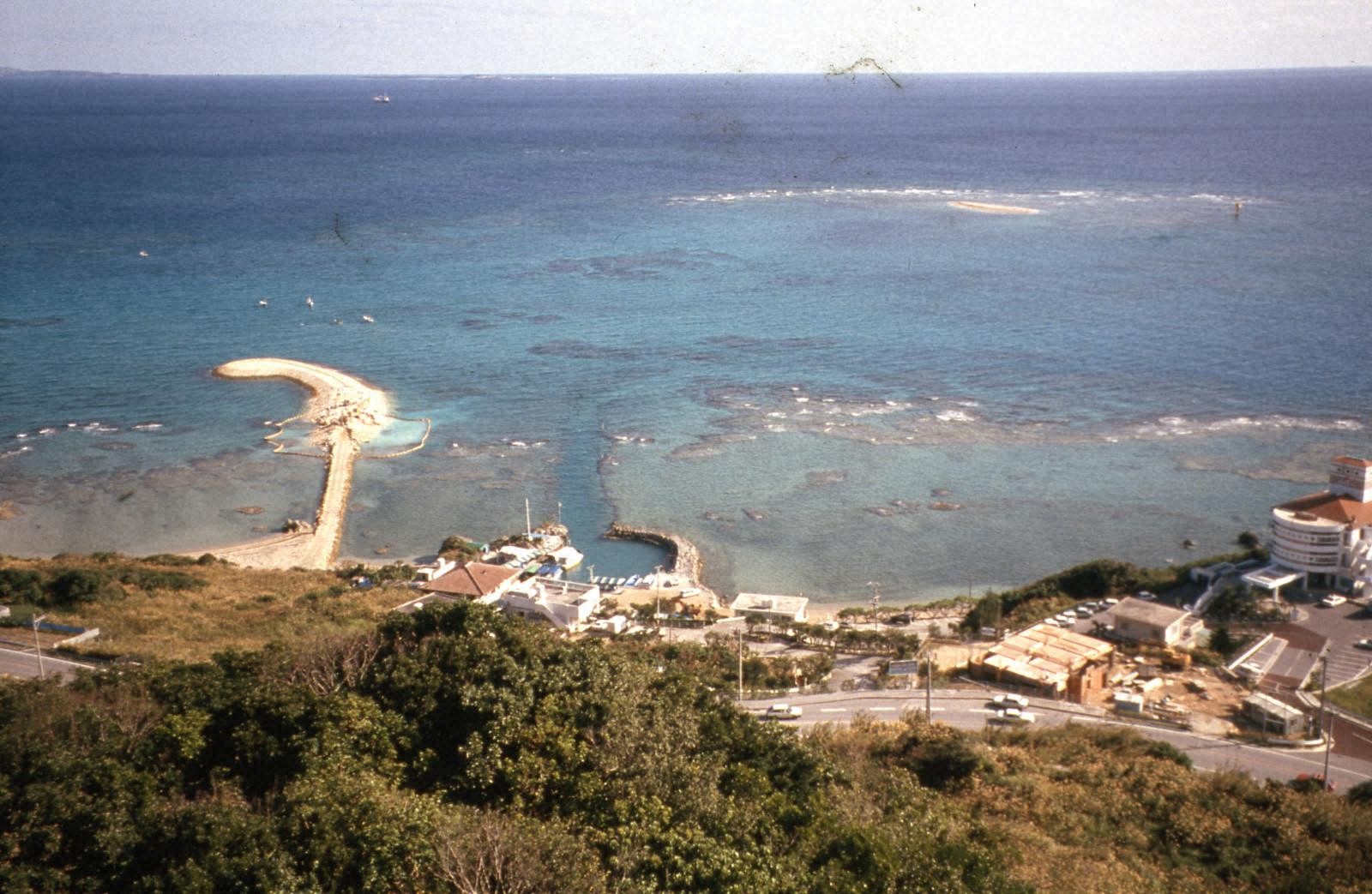
The sacred island long worshipped from Sefa Utaki. From Azama Port, it’s about 15 minutes by high-speed boat or 25 minutes by ferry. Rich in Ryukyu creation mythology, the island’s main spots can be visited in 2-3 hours by rental bicycle. Crystal-clear waters and a timeless island atmosphere are its charms.
Nirai Kanai Bridge (15 minutes by car):
A bridge that curves down from the hills toward the sea. The Sefa Utaki official website calls it one of Okinawa’s finest scenic spots.
Chinen Misaki Park (10 minutes by car):
A scenic spot overlooking the Pacific Ocean. On clear days, you can see Kudaka Island and distant Komaka Island. Features a grassy area perfect for relaxing. Free admission.
Okinawa World (20 minutes by car):
A theme park featuring Gyokusendo Cave, a recreation of a Ryukyu Kingdom castle town, and a Habu Museum. Requires 2-3 hours. Gyokusendo is a limestone cave you can walk through.
Azama Sansan Beach (next to Azama Port):
A beach next to Azama Port, where boats to Kudaka Island depart. Swimming seasons and facilities can change, so check the beach’s official website before you go.
Recommended Restaurants and Cafes
Hours, closing days, and prices change often, so check each restaurant’s official website or the Nanjo City tourism site before you go.
Hamabe no Chaya (12 minutes by car):
A seaside cafe with stunning ocean views. At high tide, the waves come right up close, creating a sensation of being on the sea.
Yamanochaya Rakusui (10 minutes by car):
A hidden cafe in a renovated traditional house. The garden terrace offers wonderful views—a place to take your time.
Cafe Yabusachi (8 minutes by car):
A cafe with a calm atmosphere, good for a break after your visit.
Souvenirs and Local Products
Nanjo City Regional Products Center (with the ticket office):
The products center where you also buy your tickets, featuring Nanjo City specialties. Find Ryukyu glass, yachimun (Okinawan pottery), brown sugar, sea grapes, and mozuku seaweed. Conveniently located for before or after your visit.
Chinsuko: Classic Okinawan cookies. Special versions using Nanjo City ingredients available.
Sea Grapes: Fresh from Nanjo City waters. Enjoy the unique popping texture.
Black Sugar: Pure kokutō made from Okinawan sugarcane.
Suggested Itineraries
Half-Day Course (about 4.5 hours)
8:00 AM – Depart from Naha
9:00 AM – Arrive at the Nanjo City Regional Products Center, buy tickets, and visit Sefa Utaki (about 60 minutes including the walk from the ticket office)
10:00 AM – Shopping at the products center; learn the history of Sefa Utaki at the exhibition and screening room in Ganjū Station Nanjo next door (30 minutes)
10:40 AM – Photos at Chinen Misaki Park (20 minutes)
11:10 AM – Lunch at Hamabe no Chaya
12:30 PM – Return to Naha
Full-Day Course (about 9 hours)
8:00 AM – Depart from Naha
9:00 AM – Sefa Utaki (about 60 minutes including the walk from the ticket office to the entrance)
10:15 AM – Chinen Misaki Park (30 minutes)
11:00 AM – Lunch at Hamabe no Chaya (60 minutes)
12:30 PM – Drive to Azama Port and take the 1:00 PM high-speed boat to Kudaka Island (about 15 minutes)
1:15 PM – Explore Kudaka Island by rental bicycle (about 2.5 hours)
4:00 PM – Take the high-speed boat back to the main island (about 15 minutes)
4:30 PM – Look out over the sea around Azama Sansan Beach (30 minutes)
5:00 PM – Return to Naha
Boat times are the regular Kudaka Kaiun schedule as of September 2026. They can change with the weather, so always check the Kudaka Kaiun official website on the day.
Frequently Asked Questions
Q1: How much time is needed?
A: About 50-60 minutes including the walk from the ticket office (Sefa Utaki official website). Add about 20 minutes if you join a guided tour, plus shopping time at the products center.
Q2: Can I visit on rainy days?
A: Light rain is fine, but entry may be restricted without notice depending on the weather or conditions inside the site. The paving gets slippery, so bring rain gear and non-slip shoes. On doubtful days, check with the Nanjo City Tourism Association (Midori no Yakata Sefa, 098-949-1899).
Q3: Are there closed days?
A: Yes. The site closes for six days every year (the 1st-3rd days of the 5th and 10th lunar months), and no one may enter. In 2026 the first closure was June 15–17; by our own calculation from the lunar calendar, the second falls around November 9–11, overlapping the free-entry construction period. The dates change every year, so check the official website.
Q4: Is it suitable for young children?
A: The site has steep slopes and stairs, and strollers cannot enter. A baby carrier is recommended for infants. For walking children, hold their hands and proceed carefully over uneven terrain.
Q5: Can I receive a goshuin (temple stamp)?
A: No. Sefa Utaki is a Ryukyuan utaki (sacred site), different from shrines or temples, and does not have this tradition.
Q6: Is photography allowed?
A: The official website asks visitors to refrain from taking photos as much as possible. In particular, avoid photographing people with a prayer spot behind them, and never photograph people who are praying.
Q7: If I go in 2026, can I see the prayer spots?
A: Construction changes where you can go (planned). Until November 1, 2026, the path to Yuinchi is closed; from November 2, 2026 to January 5, 2027, you can only go as far as Ujō-guchi and the Kudaka Island worship spot, and entry is free. Separately from the construction, Sangui is closed beyond the fence. Check the latest notices on the Sefa Utaki official website.
Summary
Sefa Utaki is the supreme sacred site of the Ryukyu Kingdom, a place where nature itself forms the sanctuary and where prayers for the peace of the kingdom and bountiful harvests were offered for centuries.
Before you go, remember: buy tickets at the Nanjo City Regional Products Center, about 500 m before the entrance (¥600 for adults from October 1, 2026); the site closes for six days a year; construction limits access in late 2026 (free entry up to Ujō-guchi from November 2, 2026 to January 5, 2027, planned); and Sangui is currently fenced off. Allow 50-60 minutes, wear sneakers, and treat it as the living place of prayer it still is.
Information as of September 2026 (hours, closed days, admission, the ticket office, photography and dress guidance, the Sangui restriction, and the construction restrictions were checked in September 2026 on the Sefa Utaki official website and Nanjo City notices). Please check the Sefa Utaki official website before your visit.